Quilting 101, A Homemaking Deep Dive with Jessica Clark


I am so excited to be bringing you our first deep dive into the world of quilting, with homemaker, quilter, and teacher, Jessica Clark of thelarklife.com and the Handmade Happiness Podcast.
Jessica didn’t grow up with quilts but she did have fond memories of her grandmother’s quilt collection and decided to pursue learning to quilt herself. With hardly any sewing experience she wandered into a local quilt shop’s class and began her lifelong love affair with quilts. Now and avid quilter, Jennifer is passionate about giving others the skills they need to practice the art of quilt making.
In This Episode:
Quilting as Community Building and Stewardship
How Quilts Unite Through Storytelling
Benefits to Embracing the Slowness of Quilting
How to Shop for Vintage or Antique Quilts
Quilt Care
Getting Started with Quilting—tools, skills, & where to look for solid instruction
Jessica's Top 5 Quilting Tips
SHOW NOTES

CONNECT WITH JESSICA
Website: www.thelarklife.com
Instagram/ Facebook: @The_Lark_Life
YouTube: @TheLarkLife
Direct Links to Classes:
- Homeschool Quilting Class: https://thelarklife.com/foundations-in-quilting
- Beginner Quilter Lab:https://beginner-quilt-lab.teachery.co/
- Quilted Slipper: https://quilted-slipper-course.teachery.co/
- Sewing Machine Basics: https://sewing-machine-basics.teachery.co/
20% off COUPON CODE FOR AOH LISTENERS: artofhome
MENTIONED IN THE EPISODE
What should we look for when shopping for vintage or antique quilts? How to tell if it’s handmade or if it's machine made.
Look at the edge, the binding. Most quilts made in factories will not be bound the same way handmade quilts are bound. Look for the edges to be encased in a narrow binding, usually stitched on by hand.
Most hand-made quilts will be made with cotton fabric.
Check the batting, if it’s lumpy and bumpy, it may not be handmade.
Look at the piecing; is it actual pieces sewn together, or a design printed onto the fabric?
Uneven stitching and slight imperfections in how the pieces are joined are good indicators that the quilt is handmade.
Essential Quilting Tools




For machine sewing: a 1/4 inch presser foot for more precise piecing. Be sure to buy one that is compatible with your brand of machine.
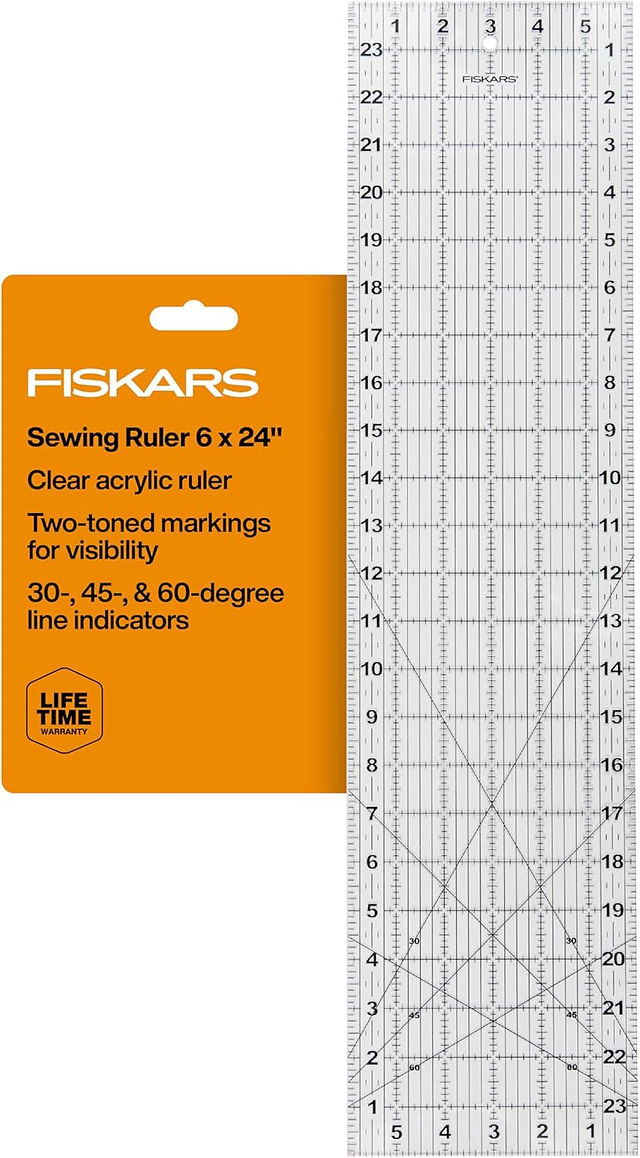
For cutting out pieces: Rotary cutter, mat and clear guide/ruler (medium size 45m cutter for straight cuts, for curved pieces, use a smaller cutter)
Iron-a good quality household iron is essential for quilting. When you are ready to upgrade, a small hand held iron with a small pressing mat next to the machine will save you many trips back and forth to the ironing board as you piece a quilt together.
Jessica's Top 5 Quilting Tips
Start where you are with what you have; don’t think it’s unattainable because you don’t have time or money.
Don’t be in a hurry. Quilting is a slow craft, so enjoy it!
Use the best quality materials you can afford. A quilt is an investment. You will put many hours into this and you want it to last for generations to come. Use good quality quilting cotton. Jessica recommends Fableism yarn dyed fabric. You can purchase Fableism fabrics in her shop.
Quilting is historically a communal activity. Find a friend to quilt with.
Make sure you have that 1/4-inch presser foot. It will save you so much time.


Comments